OBN Cyber Media: June, 26, 2026
Ethiopia’s ongoing reforms are transforming the country’s vast mining potential into tangible economic gains, positioning the sector as a new pillar of economic growth. As a result, Ethiopia has been recording rapid economic growth in the past five years.
The main reason for the growth being recorded is the multi-sector economic policy being implemented, and the fact that the mining sector, which was previously neglected, has become one of the pillars of the economy is proof of this.
The mining sector is recording structural changes by adjusting the illegal trade and production process that have been a bottleneck to the sector’s growth. This success has been recorded through decisive reform measures taken to free the sector from smuggling and informal practices and make it a pillar of the country’s overall development and national sovereignty.
Recognizing the viability of the sector, the government’s foreign exchange rate adjustment and the incentives provided by the National Bank to gold suppliers have brought about a historic change in the sector. With this effort, Ethiopia has started to develop its gold resources and its export earnings have recorded a remarkable growth and have become the country’s leading foreign exchange earner.
The work of linking mining with domestic industry and manufacturing is another area where great success has been recorded in the substitution of income. The work of replacing domestic production has been widely carried out to eliminate hundreds of millions of dollars spent annually on coal imports. As a result, the share of coal in the domestic market has increased from 17 percent in 2010 to 75 percent today.
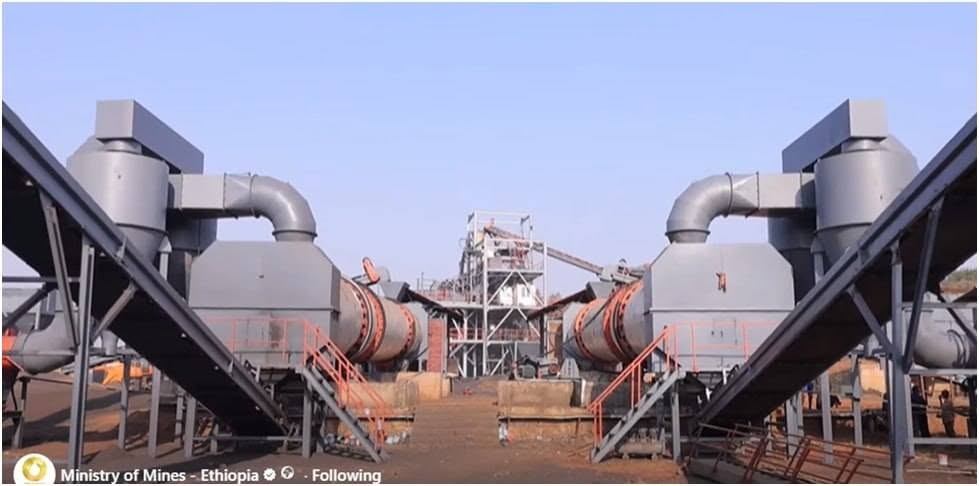
The Arjo Coal Factory and the ET Mine Coal
Washing Plants built in the Dauro Zone were inaugurated by Prime Minister Abiy Ahmed (PhD) and have started operating at full capacity.
The Ethiopian mining sector is moving from a traditional and small-scale to a modern and large-scale industrial development.
The Tulu Kapi Gold Project in Wellega and the Kurmuk Gold Project in Benishangul Gumuz are promising results of the sector.
These projects, when fully operational, will significantly increase the country’s mining revenue.
On the other hand, the sector currently provides direct employment to over 1 million citizens.
The work carried out in the past five years has demonstrated that mining is one of the most important sectors that ensure the country’s national sovereignty and development security.
Looking ahead, Ethiopia has significant potential to become a leading mining destination in Africa. Continued reforms, value addition through local mineral processing, modern exploration technologies, and sustainable mining practices are expected to unlock the country’s vast untapped mineral resources. With increased investment and effective governance, the mining sector is well positioned to support Ethiopia’s long-term economic transformation, industrialization, and inclusive growth.