OBN CYBER MEDIA June 30, 2026
In an era defined by global volatility and structural shifts, Ethiopia is executing an audacious national renaissance driven not by isolated policies, but by a singular, unifying governance philosophy:
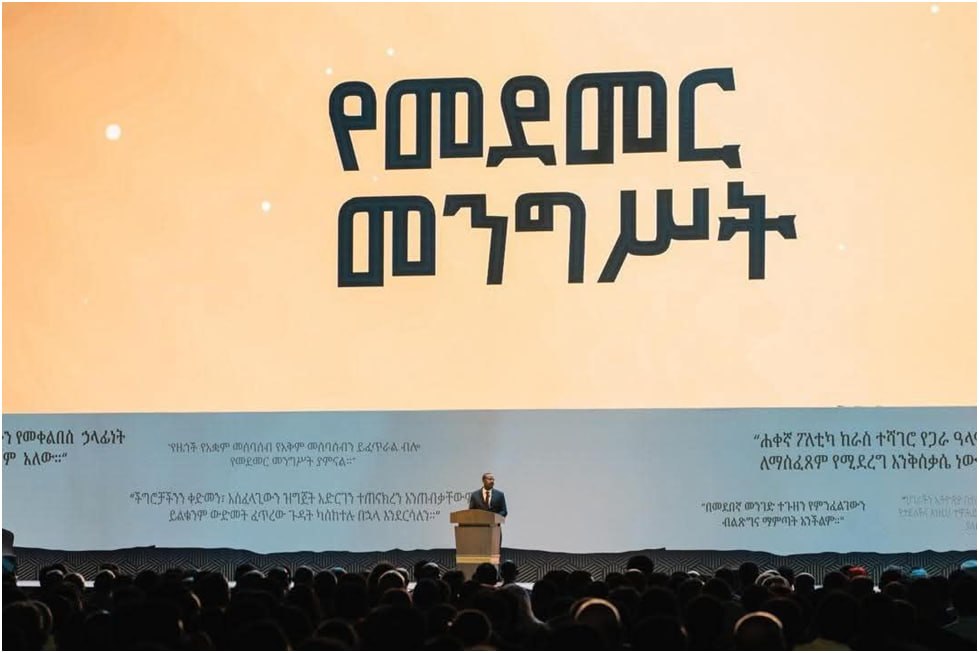
Medemer (Synergy). Far from a mere political slogan, this framework has shattered the traditional silos of governance, seamlessly intertwining domestic agricultural breakthroughs and clean energy triumphs with a bold, sovereign-centered foreign policy. By masterfully converting internal resilience into global geopolitical leverage—from securing full BRICS membership to shattering century-old colonial water monopolies on the Nile—the Medemer doctrine has fundamentally re-engineered the nation’s trajectory. Today, Ethiopia stands as a compelling testament to the power of statecraft through synergy, confidently rewriting its economic, social, and diplomatic destiny as a rising powerhouse on the African continent and the global stage.
Economic Pillar
Agriculture: Ethiopia successfully scaled its national wheat initiative by synergetically blending farmer clustering, modern genetics, and winter irrigation. This initiative eliminated historical domestic food aid reliance, tripled output and positioned Ethiopia as Africa’s largest wheat producer and an emerging exporter.
Financial & Telecom Services: The government aggressively opened up these historically isolated sectors. Synergizing telecom liberalization with the legal entry of foreign private banks and digital infrastructure launched a massive mobile money boom and created a platform for the Fayda National Digital ID system, bringing millions of unbanked citizens into the formal financial sector.
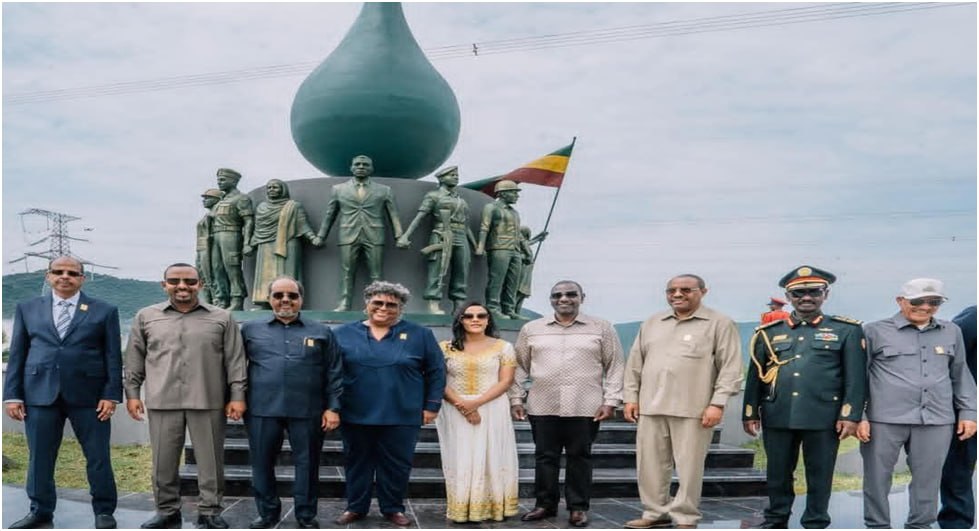
Energy & Infrastructure: The multi-year strategy to achieve national self-reliance culminated in successive turbines going online at the Grand Ethiopian Renaissance Dam (GERD). This infrastructure successfully unlocked massive clean energy outputs, feeding domestic needs and turning power generation into a highly lucrative cross-border export sector.
Aviation & Macroeconomic Openness: Supported by the steady expansion of Ethiopian Airlines and a historic shift to a market-based currency float, the country stabilized foreign exchange access, leading to a projected 9% to 10.2% GDP growth rate.
Political and Institutional Pillar
Civil Society & Economic Openness Frameworks: While Ethiopian National Dialogue is on its final phase to put an end to security issues lingering from past disagreements and grievances, the legislative overhaul that repealed former restrictive civil society laws has successfully given Civil Society Organizations (CSOs) a major seat at the development table. Additionally, legal upgrades to protect commercial contracts have successfully accelerated economic partnerships with foreign direct investors.
Continental Integration: Aligning national trade policies with the African Continental Free Trade Area (AfCFTA) successfully transformed Ethiopia into a regional logistics hub, boosting export routes across the Horn of Africa.
Social Pillar
Climate Resilient Green Economy: The Green Legacy Initiative stands out as an unprecedented success in public mobilization. By organizing millions of citizens to plant billions of trees annually, the project successfully blended environmental restoration, climate adaptation, and the expansion of eco-tourism infrastructure.
Macro-Social Protection: By directly pairing macroeconomic currency float reforms with targeted social subsidies on fuel and agricultural inputs, the government successfully created an immediate cushion to protect lower-income demographics from sudden inflationary shifts.
Diplomacy
Under the Medemer (Synergy) philosophy, Ethiopia has successfully converted its domestic structural milestones—like green energy and agricultural self-sufficiency—into global geopolitical leverage. The core diplomatic successes are highly concentrated across four major achievements:
BRICS Membership: Joining the global economic bloc transformed Ethiopia into an indispensable multi-polar gateway, unlocking alternative development financing via the New Development Bank and diversifying international alliances.
Hydro-Diplomacy Triumph: By operationalizing consecutive power-generating turbines at the Grand Ethiopian Renaissance Dam (GERD), Ethiopia established a “fait accompli” on the ground. This culminated in the Nile River Cooperative Framework Agreement (CFA) entering into full international legal force, permanently ending century-old colonial water monopolies.
Infrastructure-Led Regional Integration: Through synergy philosophy, Ethiopia could re-engineer the Horn of Africa’s foreign policy via a “Neighbor-First” strategy. Ethiopia actively exports clean grid power to Kenya, Sudan, Djibouti, and Tanzania, systematically replacing historic mistrust with regional economic dependency.
Maritime Access & Red Sea Doctrine: By shifting from geographic isolation to an assertive, rights-based maritime diplomacy, and by clearly articulating its legal, historical, and economic rights to sea access as an existential necessity for over 130 million people, Ethiopia broke decades of political taboo. It successfully moved the international conversation from “territorial ownership” to a “win-win development framework”.
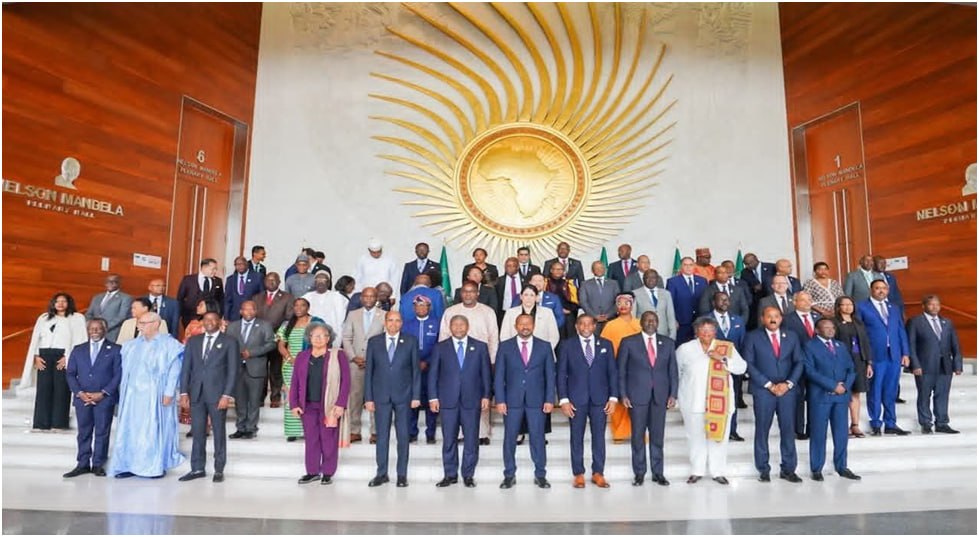
Elevated Continental Voice: Ethiopia has successfully re-established Addis Ababa as a strategic hub for South-South cooperation, highlighted by major international summits hosted in the capital and securing a seat on the African Union Peace and Security Council.
Ultimately, the ‘Medemer’ philosophy has successfully re-engineered Ethiopia’s internal fragmentation into an interconnected powerhouse of clean energy, agricultural abundance, and bold maritime ambition, carving out a permanent, self-reliant blueprint that will dictate the nation’s economic, social, and geopolitical destiny for generations to come.