OBN Cyber Media-July 24, 2026
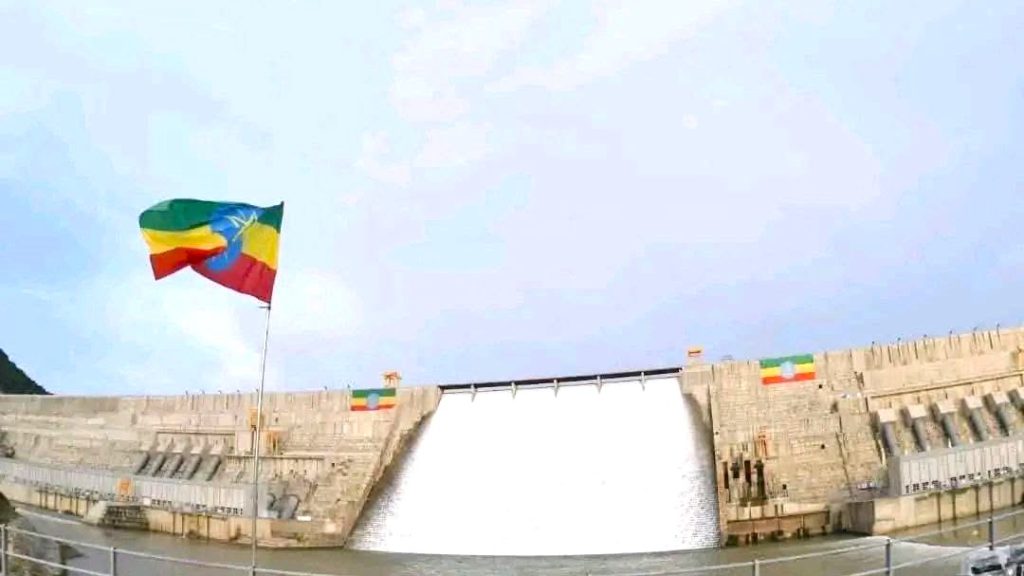
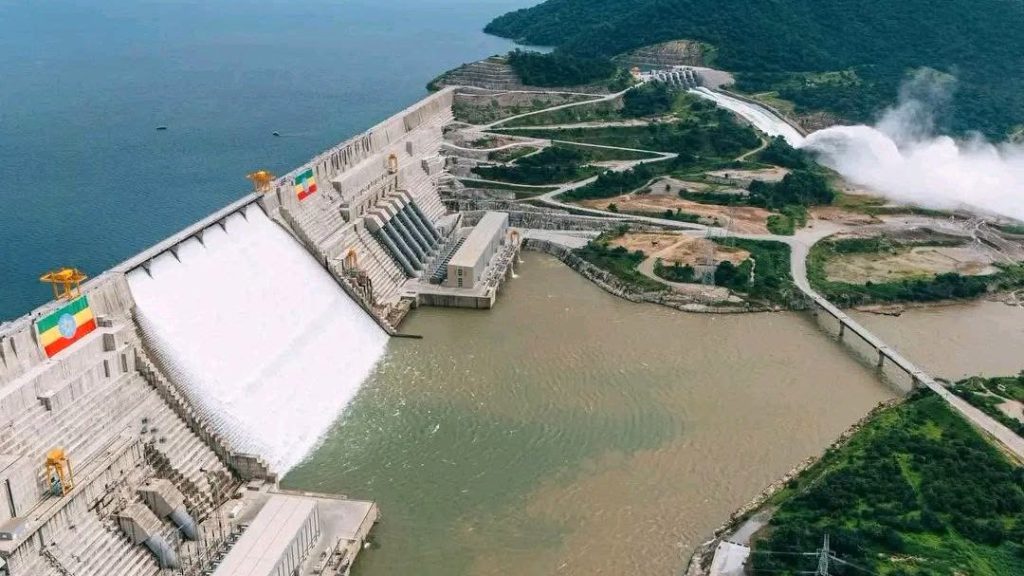
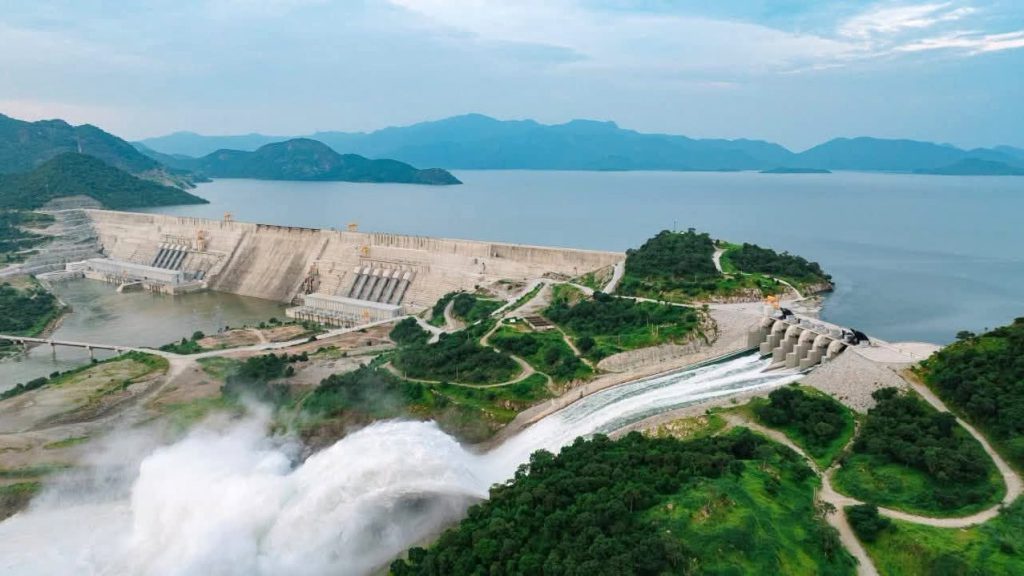
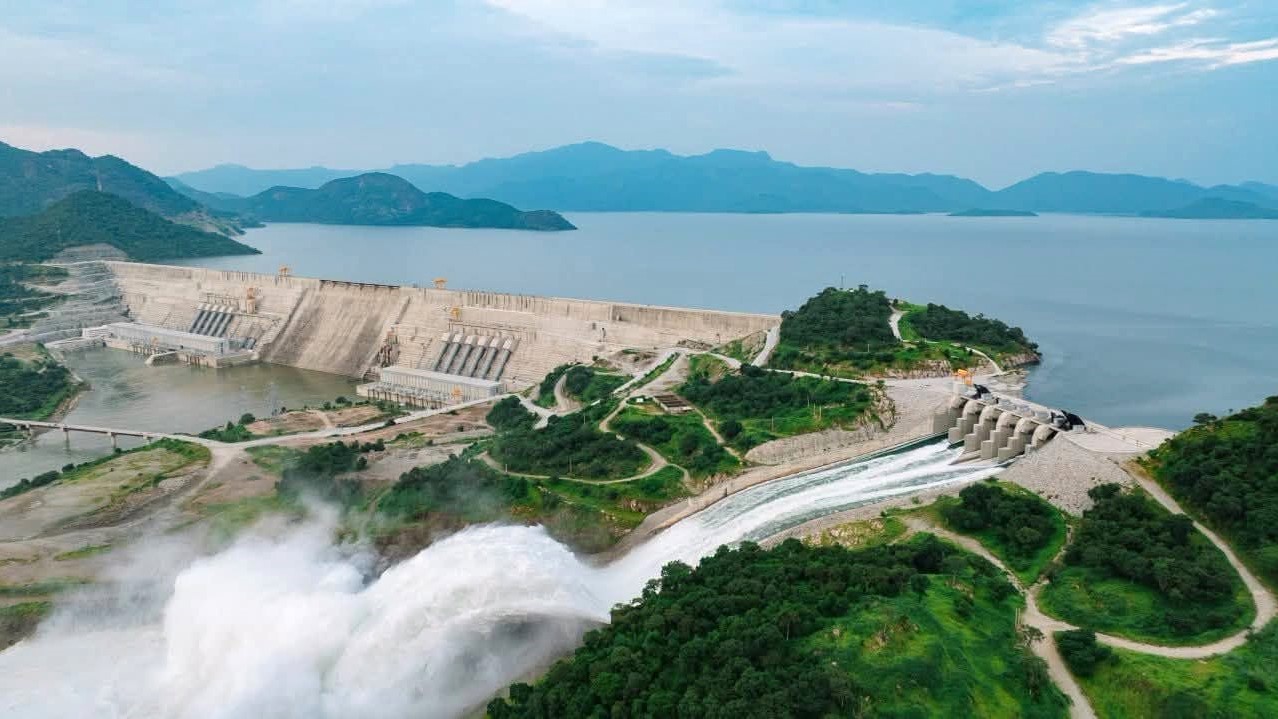
The Grand Ethiopian Renaissance Dam (GERD) is more than a hydroelectric project. It represents a vision of regional cooperation, sustainable development, and shared prosperity in the Horn of Africa and the Nile Basin. As Africa’s largest hydropower project, GERD has the potential to transform not only Ethiopia’s economy but also strengthen economic integration among neighboring countries through clean energy, infrastructure connectivity, and mutual development.
Built on the Abay (Blue Nile) River, GERD is designed primarily to generate electricity. Unlike irrigation projects that consume large volumes of water, GERD uses the river’s flow to produce renewable energy before allowing the water to continue downstream. This makes it a strategic development project capable of benefiting both upstream and downstream countries through cooperation and coordinated water management.
One of GERD’s greatest contributions to regional integration lies in energy connectivity. Ethiopia is already exporting electricity to neighboring countries and has plans to expand power transmission across East Africa. Affordable and reliable electricity can support industrialization, boost agricultural processing, improve healthcare and education services, and create employment opportunities throughout the region. Increased cross-border electricity trade also strengthens economic interdependence, reducing the likelihood of conflict while promoting shared growth.
The project also supports Africa’s broader integration agenda under the African Continental Free Trade Area (AfCFTA) by providing the energy needed for manufacturing, digital transformation, and cross-border investment. Reliable electricity is essential for industrial parks, transport systems, and modern businesses that connect African economies. GERD therefore contributes to building the infrastructure required for continental economic integration.
In addition, the dam offers opportunities for technical cooperation in water management, climate resilience, and environmental protection. Through data sharing, coordinated operation, and scientific collaboration, Nile Basin countries can better manage floods, droughts, and the impacts of climate change. Such cooperation helps build trust while ensuring that the river continues to support the livelihoods of millions of people.
GERD also demonstrates Africa’s capacity to finance and implement large-scale infrastructure projects. Constructed largely through domestic financing, it reflects a growing confidence in African-led development solutions. This experience can inspire greater regional collaboration on other strategic projects in energy, transportation, telecommunications, and water resources.
While differences over the management of the Nile remain, they need not become barriers to cooperation.
Constructive dialogue based on mutual respect, international law, and the principle of equitable and reasonable utilization of shared water resources provides the best path forward. Cooperation can create outcomes that benefit all riparian countries more than confrontation.
As the region faces increasing demand for energy, rapid population growth, and the challenges of climate change, collaborative approaches become even more important.
GERD offers an opportunity to redefine the Nile not as a source of competition but as a shared resource capable of fostering regional peace, integration, and sustainable development.
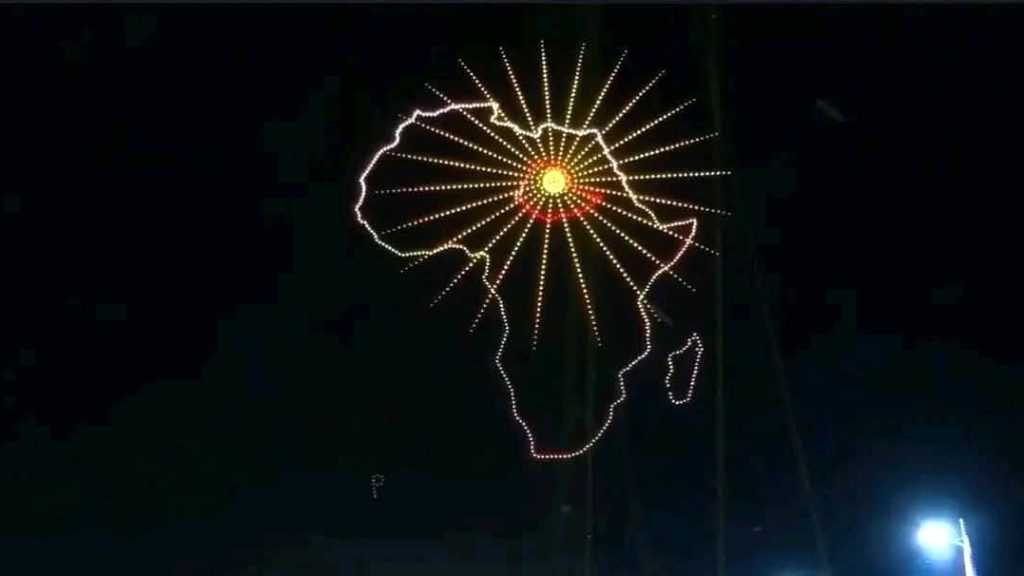
Ultimately, the Grand Ethiopian Renaissance Dam is not only an engineering achievement but also a symbol of Africa’s aspirations for unity, self-reliance, and shared prosperity. If supported by continued dialogue and regional cooperation, GERD can become a cornerstone of economic integration and a model for how shared natural resources can contribute to lasting peace and inclusive development across the Nile Basin.