‘OBN Cyber Media: June, 26, 2026
Ethiopia successfully achieved the milestone targets of the “Ethiopia Delivers” initiative through rigorous, execution-focused policy overhauls, massive structural reforms, and high community mobilization. By shifting away from rigid historical state controls toward targeted market incentives and mega-project execution, the country unlocked tangible gains across its core pillars.
The Agricultural Revolution
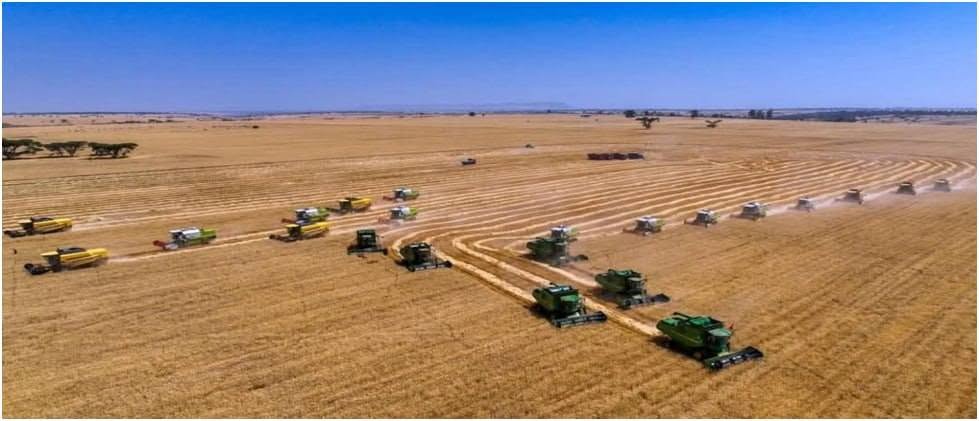
The transition from import dependency to a major food exporter was achieved through the National Wheat Flagship Program.
· Dry-Season Irrigation: Ethiopia shifted away from exclusive reliance on rain-fed highlands by aggressively scaling up summer irrigated wheat farming in lowland river basins.
· Cluster Farming Systems: The Ministry of Agriculture organized smallholder farmers into commercial clusters. This allowed them to aggregate land, leverage modern mechanization, and deploy high-yield, climate-resilient seed varieties.
· Massive Economic Savings: Cultivated land expanded sharply to millions of hectares, allowing Ethiopia to completely replace imports, save over $1 billion annually in foreign exchange, and begin regional exports.
Radical Economic & Banking Reforms
Ethiopia corrected deep-seated structural issues via a comprehensive, homegrown macroeconomic reform agenda backed by international financial institutions.
· Foreign Exchange Liberalization: In mid-2024, the National Bank of Ethiopia unpegged the local currency and transitioned to a flexible, market-based exchange rate system. This effectively collapsed the illegal parallel market premium.
· Monetary Policy Shift: The central bank halted direct financing of government deficits, pivoted to an interest-rate-based monetary framework, and opened the tightly controlled banking sector to foreign investors.
· Inflation Management: These structural adjustments successfully drove rampant consumer inflation down from over 34% to single digits (~9.8%).
So, due to effective macroeconomic overhauling and decisive fiscal reforms in 2024, the administration floated the Ethiopian Birr, eliminated the black-market premium, and opened the banking sector to international investment. This courageous restructuring successfully cooled hyperinflation down to a stable and single-digit for the first time after years of struggling.
Infrastructure & Clean Energy Delivery
Major infrastructure breakthroughs were realized by prioritizing self-reliance and domestic resource mobilization over foreign loans.
· Inauguration of the GERD: After years of construction, Africa’s largest hydroelectric installation—the Grand Ethiopian Renaissance Dam (GERD) — was officially inaugurated and has become a national pride. It now stands as Africa’s largest clean-power powerhouse, driving domestic industrialization and exporting electricity regionally.
· Domestic Sovereign Financing: Crucially, the multi-billion-dollar dam was funded entirely through domestic resources, government bonds, and public contributions. It effectively set the stage to double domestic power generation and position Ethiopia as Africa’s premier energy exporter.
· Urban Corridor Developments: Massive, highly coordinated physical and digital overhauls—such as the Addis Ababa Corridor Initiative and the Digital Ethiopia 2030 roadmap—rapidly modernized the logistics, 5G, and urban transit networks.
Direct Public Mobilization for Climate Action
Environmental restoration succeeded by treating climate adaptation as a cornerstone of national security and economic planning since Ethiopia initiated the program.
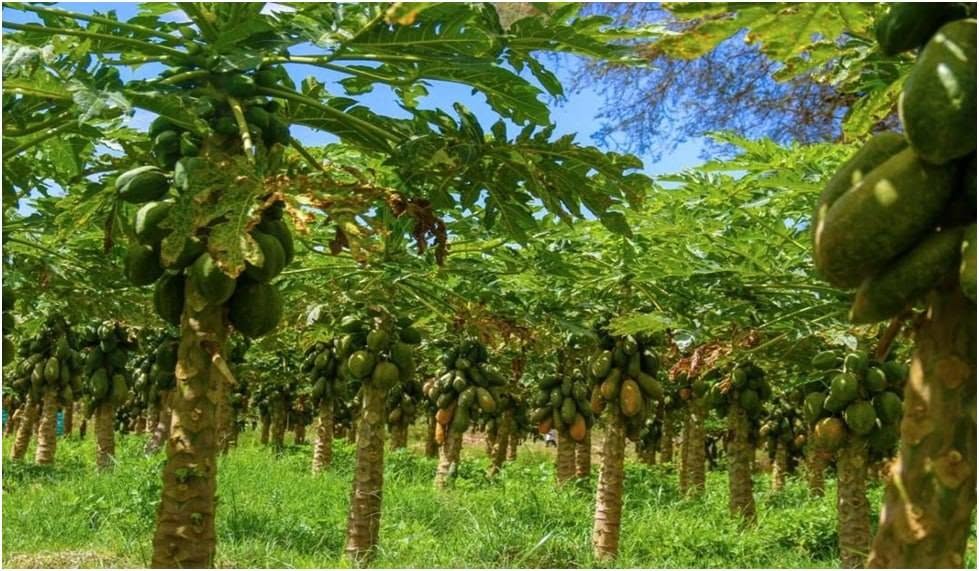
· The Green Legacy Strategy: Led by a targeted administrative push, the country scaled its tree-planting milestones year over year, targeting a cumulative goal of 65 billion trees.
Agro forestry and Nurseries: Rather than planting basic forest cover, Ethiopia has shifted nursery focus toward a diverse mix of fruit trees, fodder plants, and cash crops. So, this massive mobilization has restored degraded lands, secured vital water basins, and integrated fruit-bearing agro forestry directly into local rural economies. This directly integrated environmental restoration with local food security and rural livelihoods.
Landmark Diplomatic Gains
Ethiopia’s recent diplomatic breakthroughs demonstrate a powerful transition to a confident, sovereignty-centered, and results-oriented foreign policy. By aligning its domestic development goals with strategic global alliances, the nation has elevated its international prestige and rewritten its role on the global stage.
The future of Ethiopian diplomacy is exceptionally bright, guided by a clear and committed leadership that negotiates from a position of national strength and mutual benefit. As the country leverages its BRICS alignment and expands its regional infrastructure networks, Ethiopia is uniquely positioned to drive economic integration across the Horn of Africa and beyond. Driven by this proactive, “neighbors-first” and economic-first diplomacy, the nation is steadily advancing toward its ultimate goal: securing reliable maritime trade access, unlocking permanent economic sovereignty, and serving as a stable, prosperous anchor for continental growth.
A Brighter Horizon under Committed Leadership
Ethiopia’s recent milestones are the direct result of a clear, consistent, and results-oriented leadership structure. By breaking away from rigid state controls and replacing them with market incentives and domestic resource mobilization, the government has proven it can deliver on complex, mega-scale projects under tight deadlines. This execution-first mindset has fundamentally altered the country’s trajectory.
With secured food sovereignty, a stable and transparent financial market, expanding green energy grids, and a modernized digital landscape, Ethiopia is no longer just planning for growth—it is actively delivering it. Guided by this unwavering political will, the nation is firmly positioned to emerge as Africa’s leading economic engine and a primary hub for global investment.