OBN Cyber Media 25 July 2026
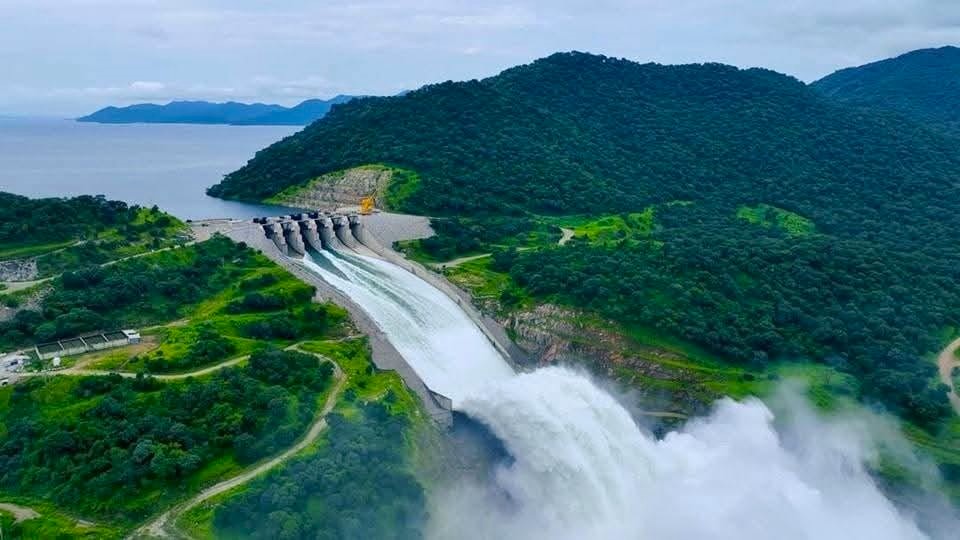
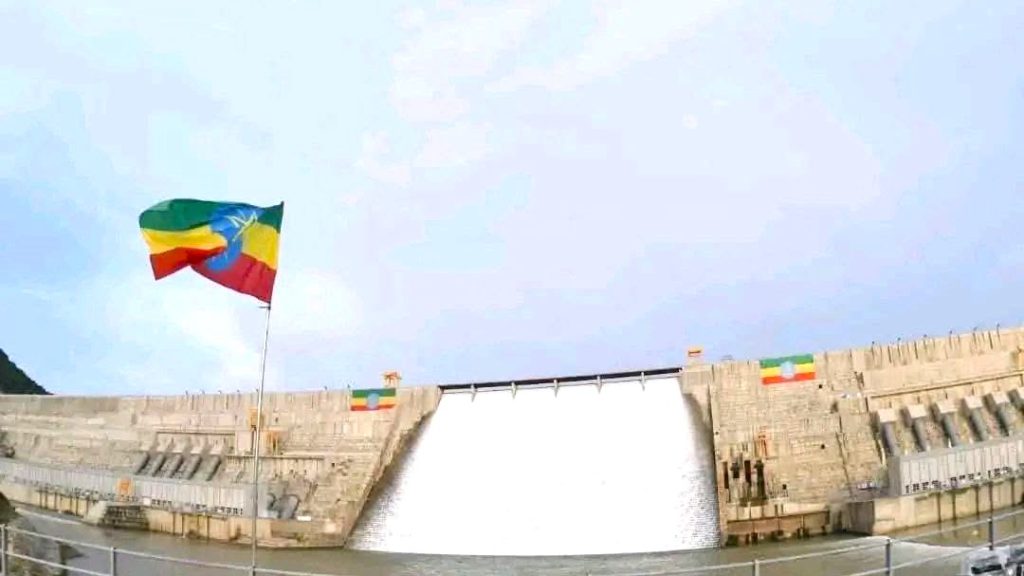
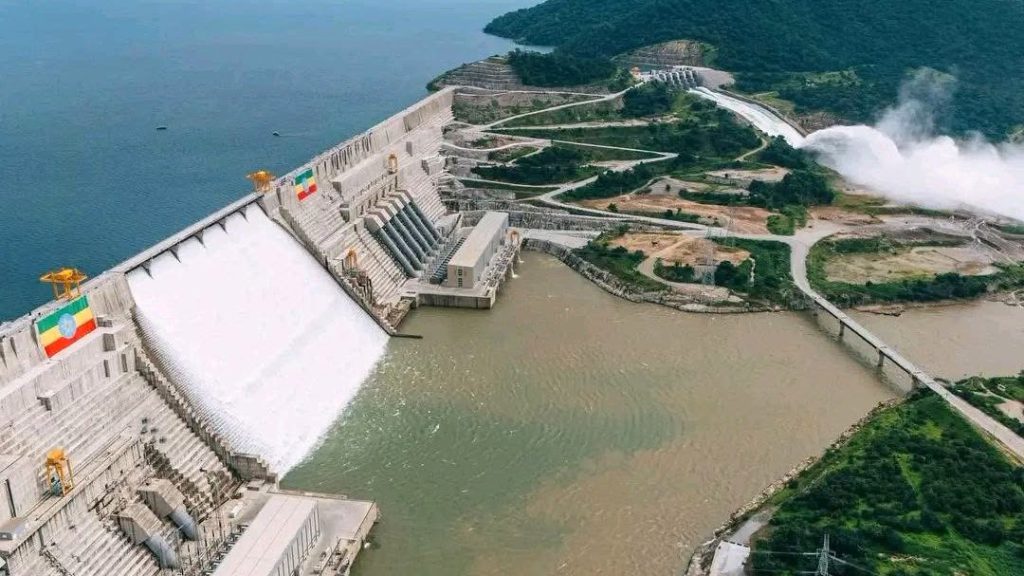
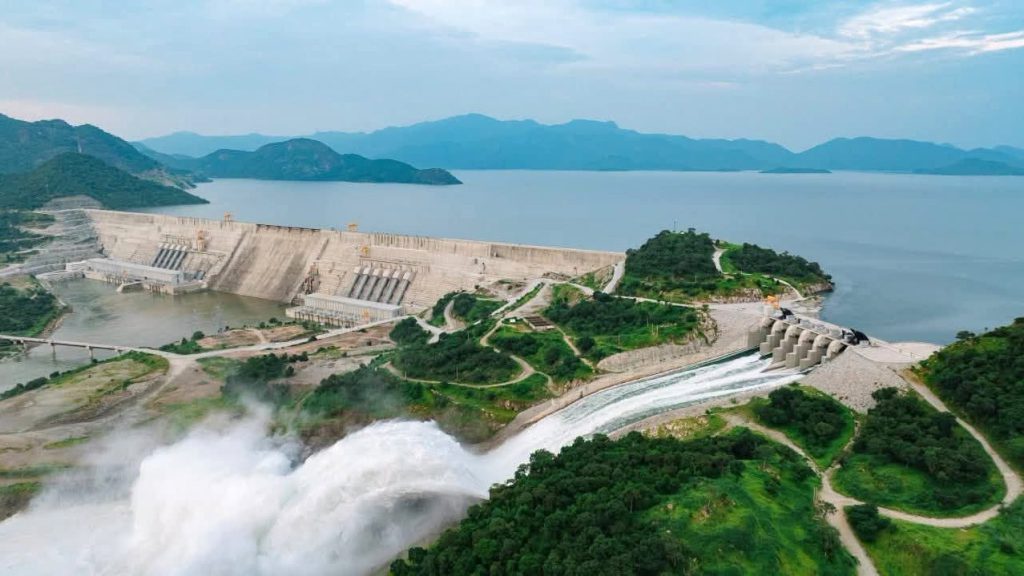
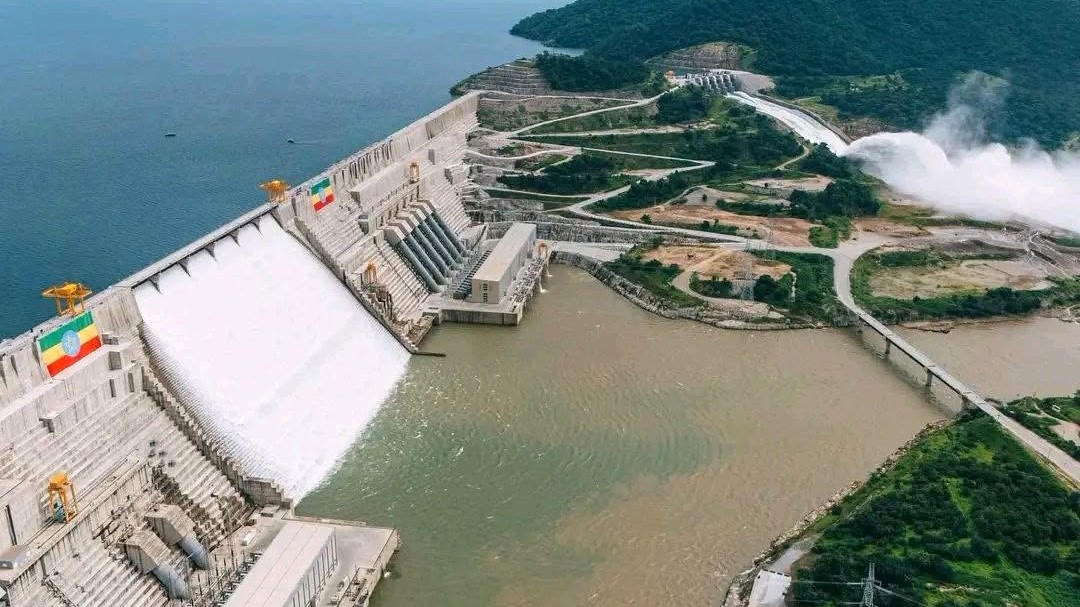
The Grand Ethiopian Renaissance Dam (GERD) is increasingly being recognized as more than a national infrastructure project. Across Africa, it is viewed by many as a symbol of the continent’s determination to finance, build, and manage transformative development projects using its own resources.
As one of Africa’s largest hydroelectric power projects, GERD has been expanding access to clean and renewable energy, strengthen regional electricity interconnections, and accelerate industrialization. Supporters also point to its potential to regulate river flows, reduce seasonal flooding, minimize sediment accumulation, and improve water management for downstream countries.
The project reflects the aspirations of the African Union’s Agenda 2063, which calls for an integrated, prosperous, and self-reliant Africa driven by African-led solutions. Many observers see GERD as a practical demonstration of these continental ambitions.
Unlike many large-scale infrastructure projects on the continent, GERD has been financed primarily through the contributions of Ethiopian citizens, domestic bonds, and government resources. This financing model is widely regarded as an example of African ownership and resilience.
As electricity generation continues to expand, GERD has been contributing to Africa’s clean energy transition, regional economic integration, and the realization of the continent’s long-term development vision, Agenda 2063.