
OBN Cyber Media: July, 1, 2026
Ethiopia is charting a new path for economic transformation by placing tourism at the heart of its national development agenda. Backed by sweeping investments in tourism infrastructure, heritage conservation, and destination development, the government is positioning the country as one of Africa’s emerging tourism hubs. Prime Minister Abiy Ahmed says the sector is set to become a powerful engine of economic growth, job creation, investment, and global engagement, unlocking Ethiopia’s vast natural and cultural wealth.
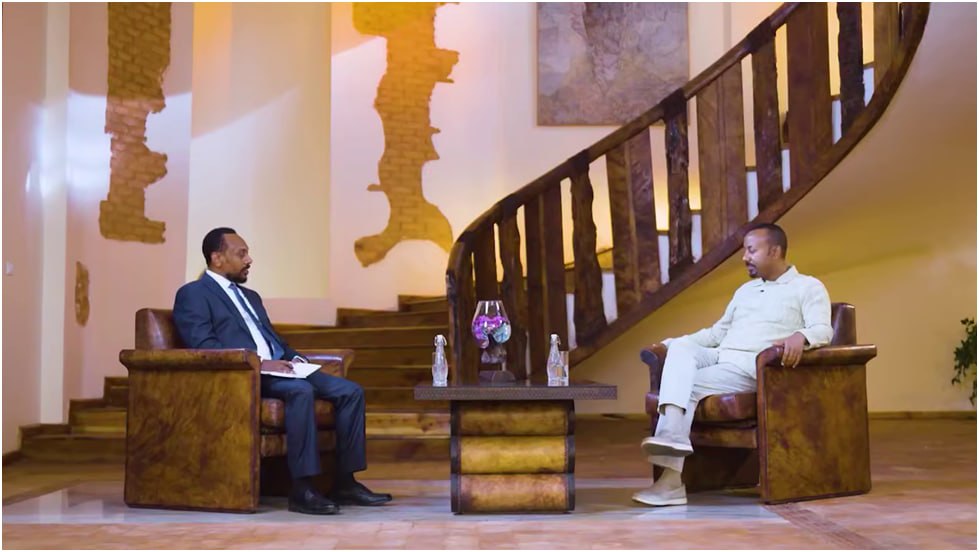
In a special interview with NBC Ethiopia, Prime Minister Abiy Ahmed presented the government’s comprehensive vision for transforming Ethiopia into a world-class tourism destination by harnessing the country’s extraordinary natural, historical, and cultural wealth. He stressed that while Ethiopia possesses some of the world’s most remarkable tourism assets, they remain largely under-promoted due to limited global awareness and insufficient marketing efforts. Highlighting the country’s exceptional biodiversity, the Prime Minister noted that Ethiopia is home to more than 6,000 plant species, unique endemic wildlife—including the Ethiopian Wolf, Walia Ibex, and Gelada Baboon—and a rich variety of rare bird species found in destinations such as Awash and Bale. He further underscored Ethiopia’s striking geographical contrasts, stretching from the towering peaks of Ras Dashen, the country’s highest mountain, to the Danakil Depression, one of the hottest and lowest places on Earth.
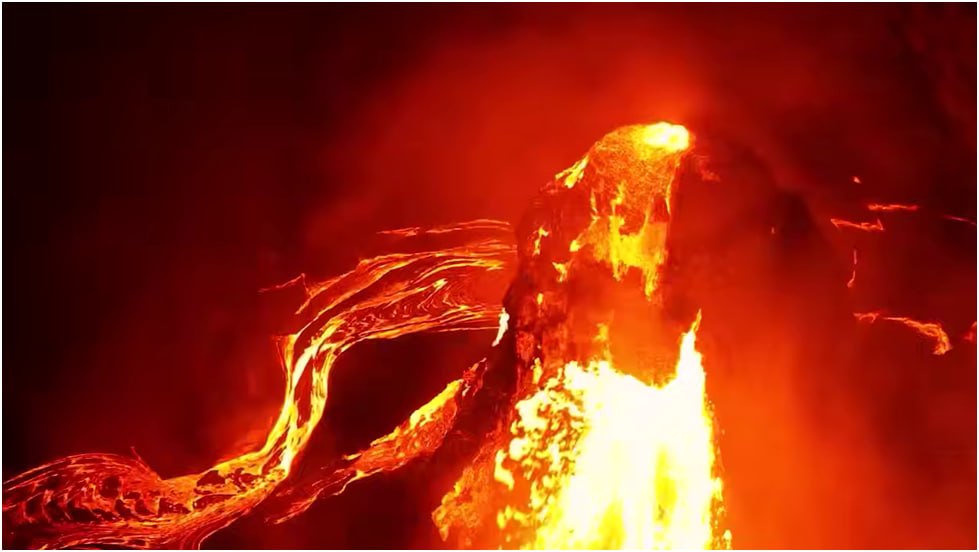
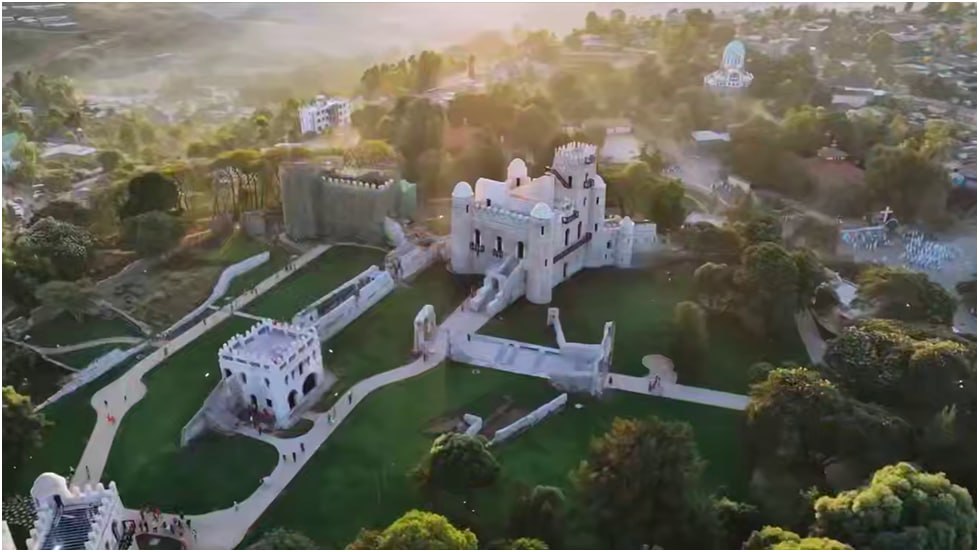
He emphasized Ethiopia’s unique microclimates, where visitors can travel from arid lowlands to cool highlands within a few hours, offering an unparalleled tourism experience. Among the country’s flagship destinations, he cited the Simien Mountains, Lake Tana monasteries, Fasilides Castle in Gondar, the Rock-Hewn Churches of Lalibela, Bale Mountains National Park, Sof Omar Cave, Erta Ale volcano, and the cultural landscapes of southern Ethiopia, including Arba Minch and Nechisar National Park.
According to the Prime Minister, Ethiopia offers a rare combination of ancient history, archaeology, spectacular landscapes, biodiversity, and living cultural heritage within a single destination.
Highlighting tourism’s global economic significance, Abiy noted that the industry generates an estimated USD 12.6 trillion annually, with countries such as the United States, Spain, Thailand, France, Egypt, Mexico, Malaysia, and Morocco earning substantial revenues from millions of international visitors. He stressed that Ethiopia must secure its share of this expanding global market.
He explained that tourism stimulates broad-based economic growth by bringing consumers directly into the country, generating demand for local goods and services while creating employment opportunities—particularly for young people—and supporting micro and small enterprises, from handicrafts to traditional coffee businesses. Tourism also serves as a gateway for foreign direct investment, as many visitors later return as investors.
The Prime Minister further noted that tourism creates strong linkages with agriculture, manufacturing, transport, hospitality, and construction, making it one of the country’s most impactful economic sectors.
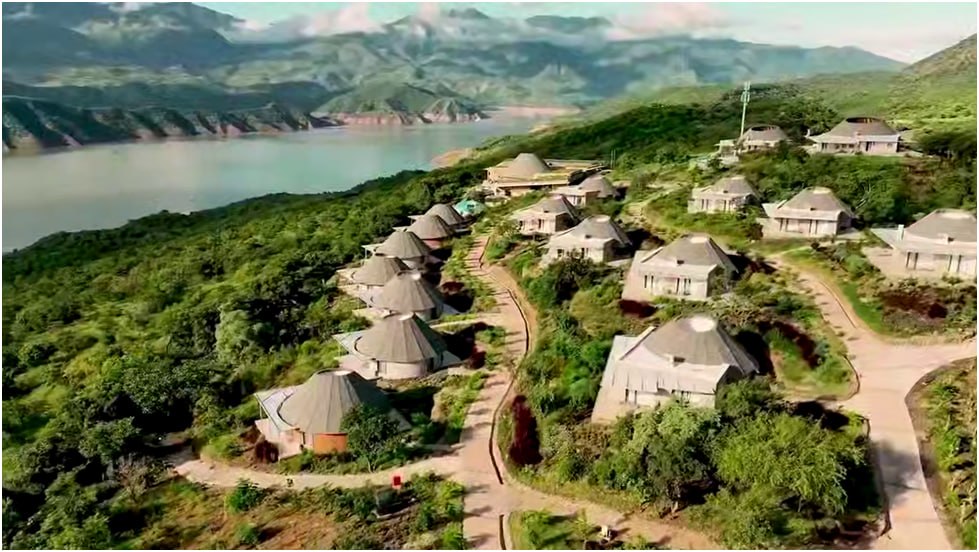
Reflecting on the government’s achievements over the past seven years, Abiy highlighted the successful implementation of the Gebeta Le Sheger (Dine for Sheger), Gebeta Le Hager (Dine for the Nation), and Gebeta Le Twulid (Dine for a Generation) initiatives. He said these flagship projects have transformed Addis Ababa, revitalized numerous regional destinations, and significantly expanded the country’s tourism infrastructure. He added that Arba Minch has recently been inaugurated under the Dine for a Generation initiative, while work continues in Jimma.
The premier underscored the indispensable role of the private sector in driving tourism growth alongside government efforts and active public participation. He stressed that sustainable tourism requires not only modern infrastructure but also effective national branding and the collective commitment of citizens to promote Ethiopia’s positive image.
He added that a thriving tourism industry depends on an integrated ecosystem—including transport, hotels, tour operators, digital services, and commercial facilities—working together to provide visitors with memorable experiences that encourage repeat visits.
Wrapping up the interview, Prime Minister Abiy Ahmed reaffirmed that tourism remains one of Ethiopia’s five strategic pillars for economic transformation and a cornerstone of the country’s long-term development agenda. He emphasized that the government’s vision is to build a globally competitive and sustainable tourism industry that drives inclusive economic growth, creates employment, attracts investment, and promotes Ethiopia’s rich cultural and natural heritage. By unlocking full potential of the sector, he said, Ethiopia aims to leave future generations a more prosperous, united, and internationally respected nation.