
OBN Cyber Media: June 29, 2026
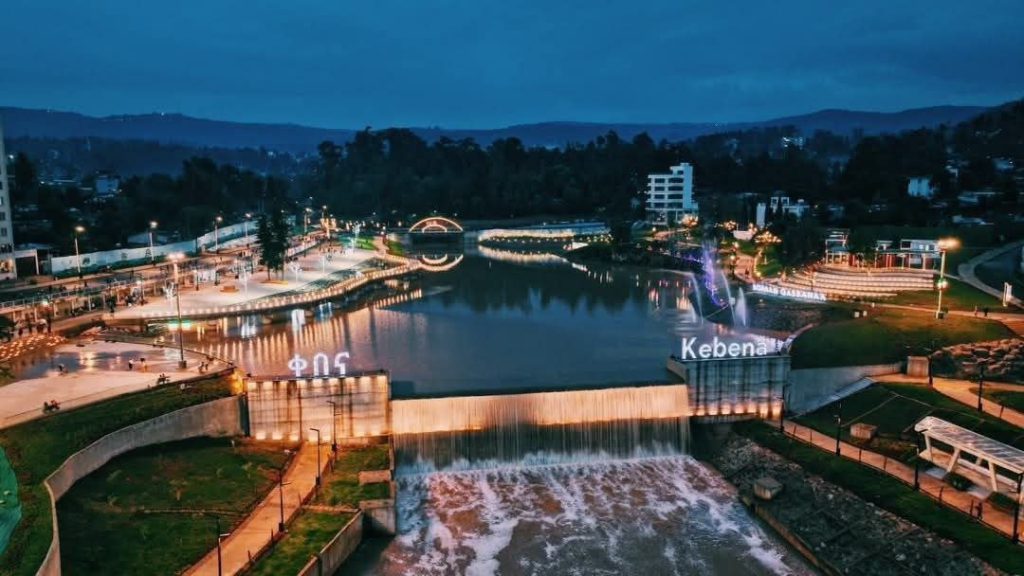
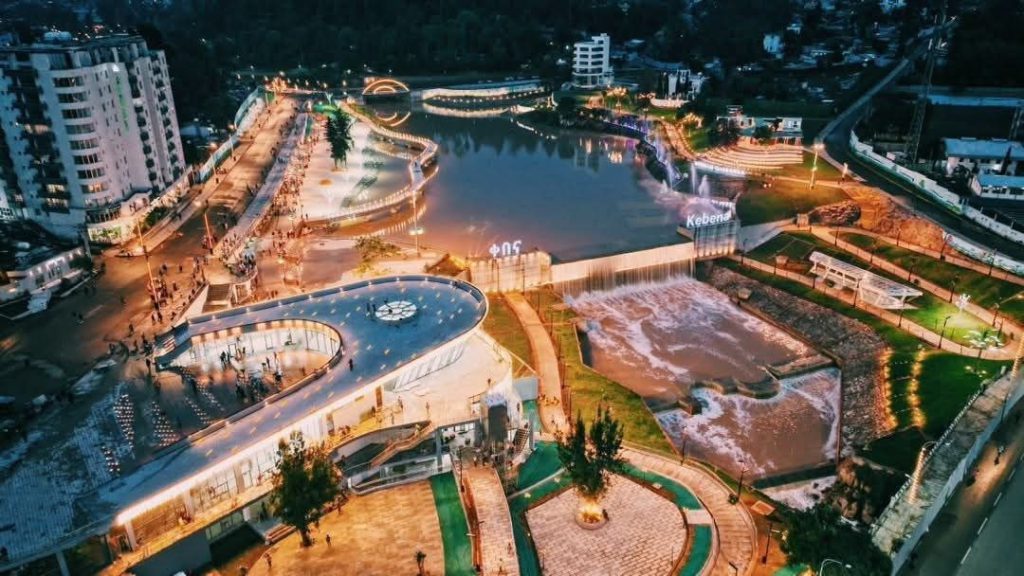
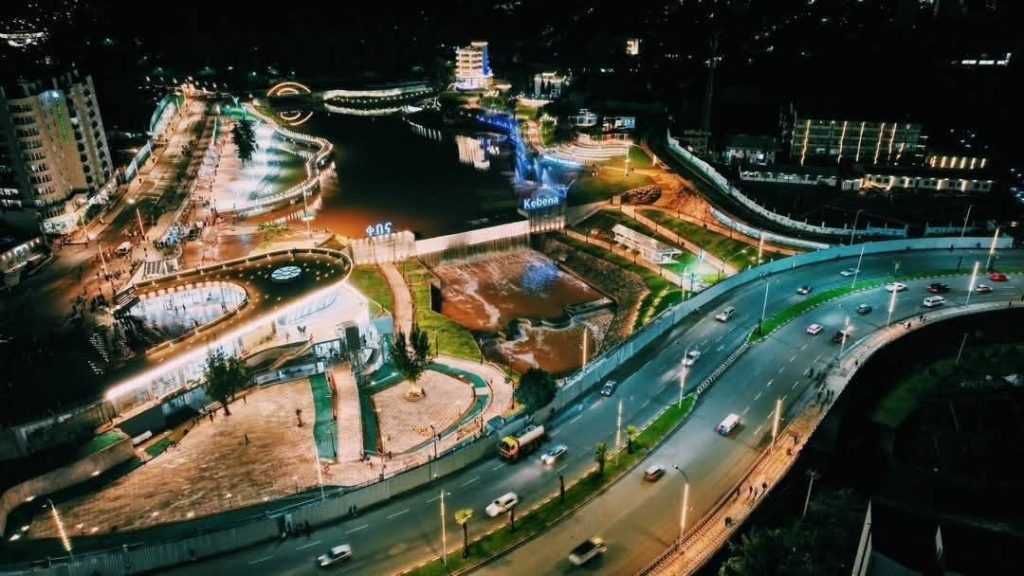
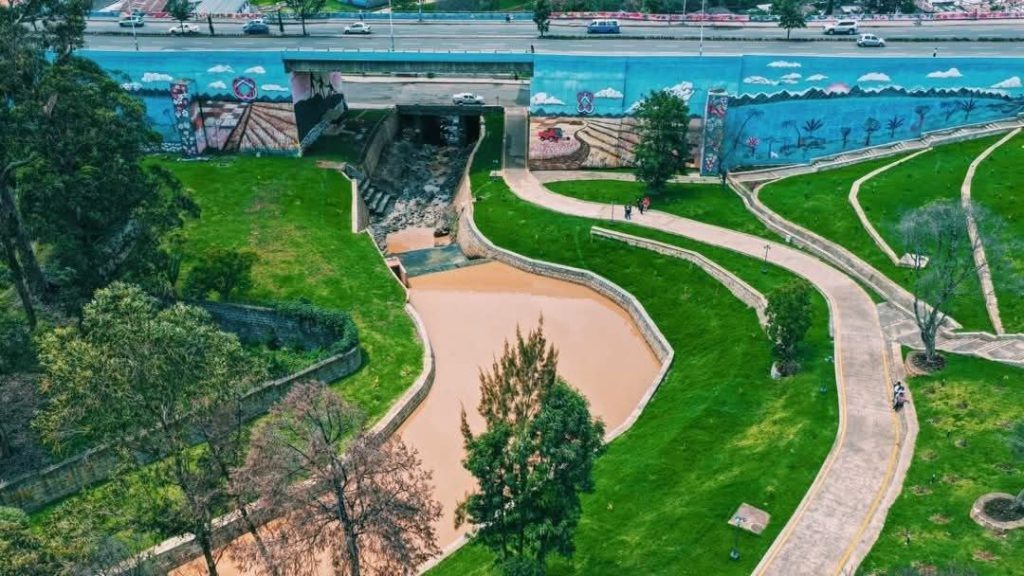
Addis Ababa is undergoing one of the most radical urban transformations in its history. The recent inauguration of the 10.5-kilometer Entoto-Kebena River and Riverside Development Project by Prime Minister Abiy Ahmed marks a watershed moment in this journey. Spanning 87.6 hectares of once-degraded terrain, this project is not merely an isolated beautification campaign. Instead, it is a strategic masterstroke that weaves together environmental resilience, economic inclusion, and civic pride.
By analyzing its integration with prior works, its direct impact on citizens, and its alignment with national climate goals, one can understand how the Entoto-Kebena corridor redefines the blueprint for African sustainable urbanization.
1. Amplifying the Continuity of Addis Ababa’s Riverside Works
Before the current administration’s intervention, Addis Ababa’s extensive river network was treated as a backyard dumping ground. Industrial runoff, untreated sewage, and municipal waste turned vital waterways into toxic public health hazards. The response began with the Beautifying Sheger Project, which birthed foundational spaces like Friendship Square and the Entoto Natural Park.
The Entoto-Kebena project fundamentally changes the scale of these efforts by acting as a connective tissue.
Seamless Corridor Integration
While early interventions focused on centralized, stationary parks, this 10.5-kilometer expansion creates a continuous green ribbon. It links directly with the recently inaugurated 22.25-kilometer Entoto-Kechene corridor. By doing so, it scales up the total restored waterway network toward the city’s 48-kilometer target.
Advanced Flood Mitigation
The Entoto-Kebena design deploys advanced river training, retaining walls, and bio-engineering techniques. This infrastructural upgrade protects low-lying downstream neighborhoods from the flash floods that historically plagued the capital during the rainy season.
2. Tangible Benefits for Residents: Health, Leisure, and Mobility
For the millions who call Addis Ababa home, the project replaces urban blight with safe, accessible public infrastructure that directly elevates their quality of life.
· Public Health and Environmental Sanitization: The primary benefit to residents is the mitigation of waterborne odors and toxic vectors. By filtering upstream pollution and capping waste entry points, the project cleans the air and water, reducing respiratory and gastrointestinal health risks for nearby settlements.
· Non-Motorized Urban Transit: The project introduces dedicated, paved pedestrian walkways and cycling paths along the riverbanks. In a city where most residents rely on walking or crowded public transit, this creates a safe, traffic-free alternative for daily commuting.
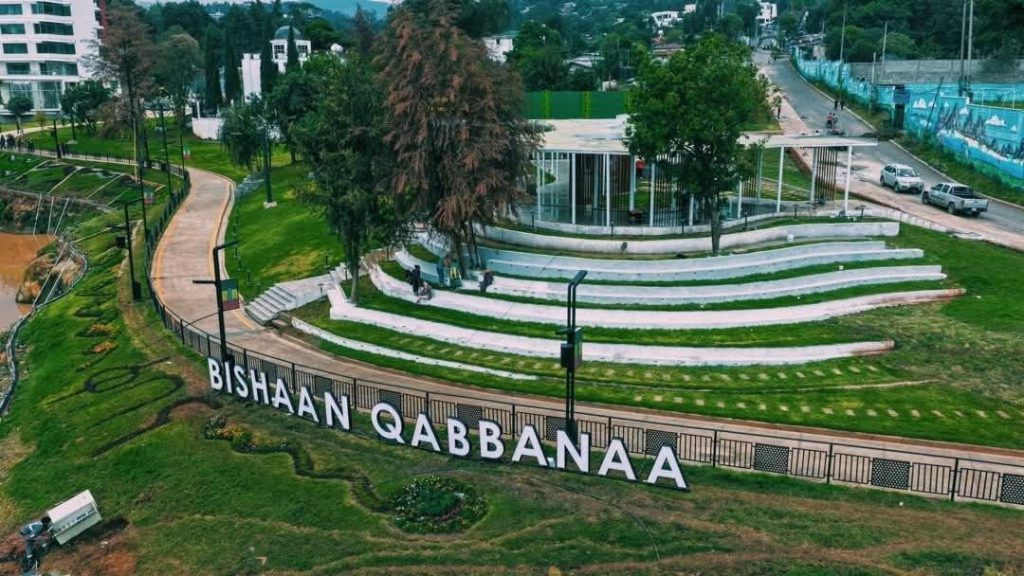
· Recreational and Mental Well-being: Historically, Addis Ababa lacked free, high-quality public spaces. The Entoto-Kebena corridor democratizes access to leisure. Families, youth, and elderly residents now have access to open-air fitness areas, shaded lawns, and communal seating, fostering a culture of outdoor wellness.
3. A Core Pillar for the Green Legacy Initiative
The Entoto-Kebena project serves as an urban microcosm of Ethiopia’s national Green Legacy Initiative, proving that large-scale afforestation and conservation can thrive inside a dense capital city.
· Biodiversity Restoration: The project has facilitated the planting of thousands of indigenous trees, shrubs, and deep-rooting grasses along the banks. This vegetation prevents soil erosion and creates urban micro-habitats for birds, beneficial insects, and local fauna that had long abandoned the polluted corridor.
[6/28/2026 9:00 PM] Fekadu Amena: · Climate Modification: The 87.6-hectare green expanse acts as a vital “urban heat island” mitigation tool. By replacing concrete and bare, degraded dirt with dense canopy cover, the project naturally lowers ambient temperatures, traps carbon dioxide, and releases oxygen, purifying the city’s immediate atmosphere.
4. Championing Inclusive Development and Economic Empowerment
A major critique of rapid urban renewal globally is the risk of gentrification and the exclusion of the poor. The Entoto-Kebena project directly counters this by embedding economic inclusion into its spatial design.
Micro-Entrepreneurship Nodes
The corridor features purposefully integrated commercial kiosks, coffee shops, and artisanal stalls. These spaces are intentionally allocated to local youths and women, transitioning informal vendors into the formal economy and creating sustainable livelihoods.
Wealth Redistribution through Public Space
By keeping the vast majority of the 10.5-kilometer park free and open to the public, the project ensures that high-end urban amenities are not reserved solely for the affluent. It serves as an equalizer where citizens from all socio-economic backgrounds mingle.
Universal Accessibility
The engineering design incorporates universal accessibility standards. Wheelchair ramps, tactile paving, and gentle gradients ensure that elderly citizens and persons with disabilities can enjoy the spaces with dignity.
5. Uniqueness: Architectural Innovation Meets Cultural Identity
What sets the Entoto-Kebena project apart from typical civil engineering works is its deliberate fusion of modern sustainability with Ethiopian cultural identity.
· Topographical Adaptation: The project gracefully navigates the steep, rugged drop from the foothills of Entoto down into the urban basin. Engineers utilized cascading water features, terraced gardens, and suspension footbridges that respect and highlight the natural topography rather than flattening it.
· Themed Cultural Pavilions: Scattered along the 10.5 kilometers are spaces designed to reflect Ethiopian heritage, utilizing local stone and architectural motifs. This ensures the project feels authentic to Addis Ababa’s identity, avoiding the generic, copy-paste look of globalized park designs.
Conclusion: A Blueprint for the Future
The Entoto-Kebena River and Riverside Development Project represents a profound shift in how Ethiopia approaches public infrastructure. It proves that environmental remediation, economic survival, and aesthetic beauty are not mutually exclusive, but are instead deeply interdependent.
By reclaiming its forgotten rivers, Addis Ababa is not just beautifying its landscape—it is restoring its ecological soul, expanding economic equity, and setting a benchmark for sustainable urban renewal across the African continent.
#EntotoKebena #CorridorDevelopment#AddisAbabaRiverside# #GreenLegacyEthiopia #OBN